The Silent Luxury of Dubai

When people imagine Dubai, they usually picture record-breaking skyscrapers, luxury cars, five-star hotels, and extravagant lifestyles. Those things certainly exist, but surprisingly, they are not what impress me the most. For me, one of Dubai's greatest luxuries is something many people barely notice until they have experienced living here: cleanliness.
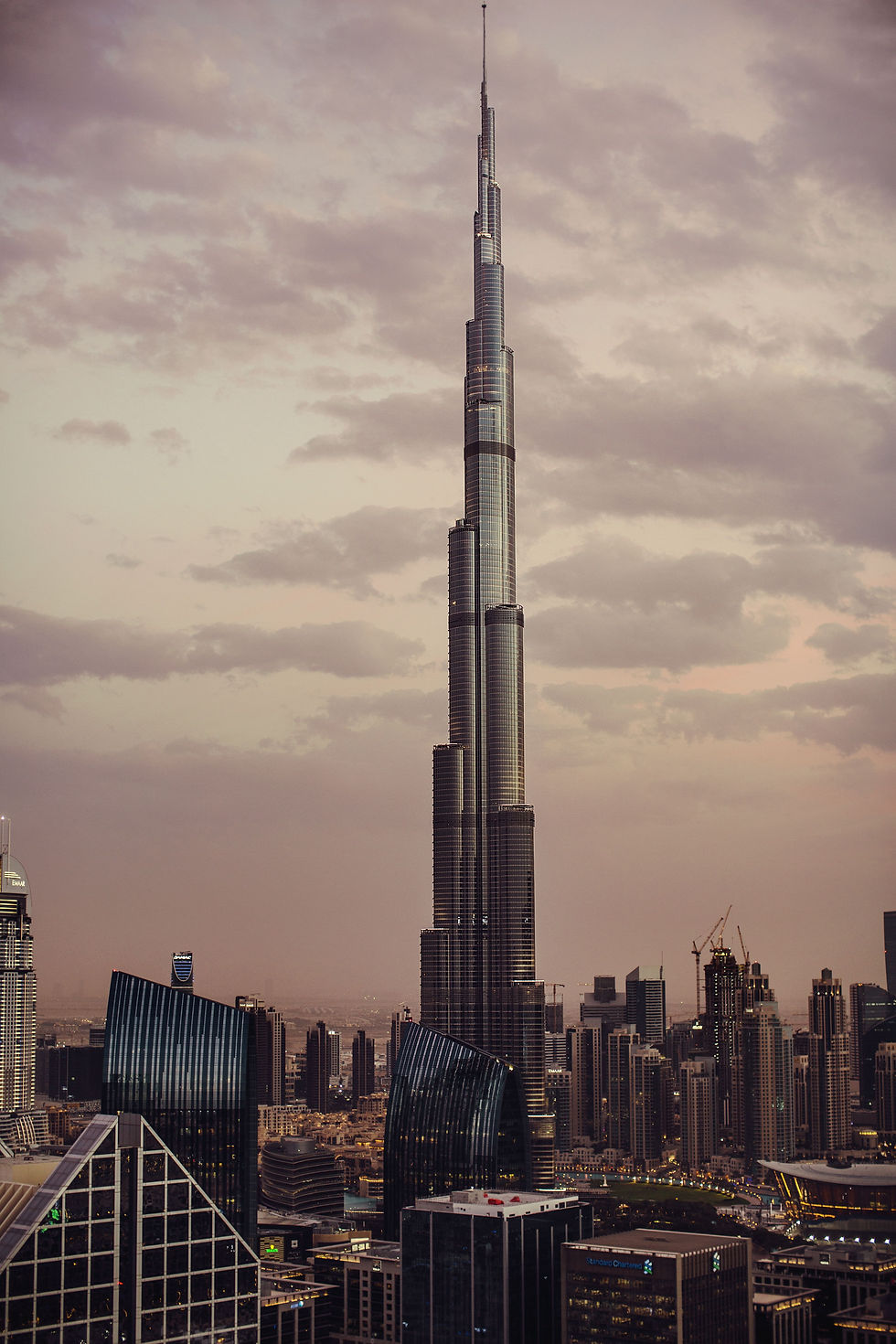
I am not referring to the exaggerated internet trend where influencers walked around the city in white socks attempting to prove how spotless the streets were. Those demonstrations always felt more theatrical than meaningful. What I am describing is something much deeper, the experience of living in an environment that rarely confronts you with neglect.
It is genuinely difficult to encounter unpleasant scenes during everyday life in Dubai. Overflowing rubbish bins, persistent street odors, neglected public spaces, accumulated waste, or visual disorder are surprisingly uncommon. Even the areas surrounding dumpsters are generally maintained to a remarkably high standard. Individually, these details may seem insignificant, but together they shape the atmosphere of an entire city.
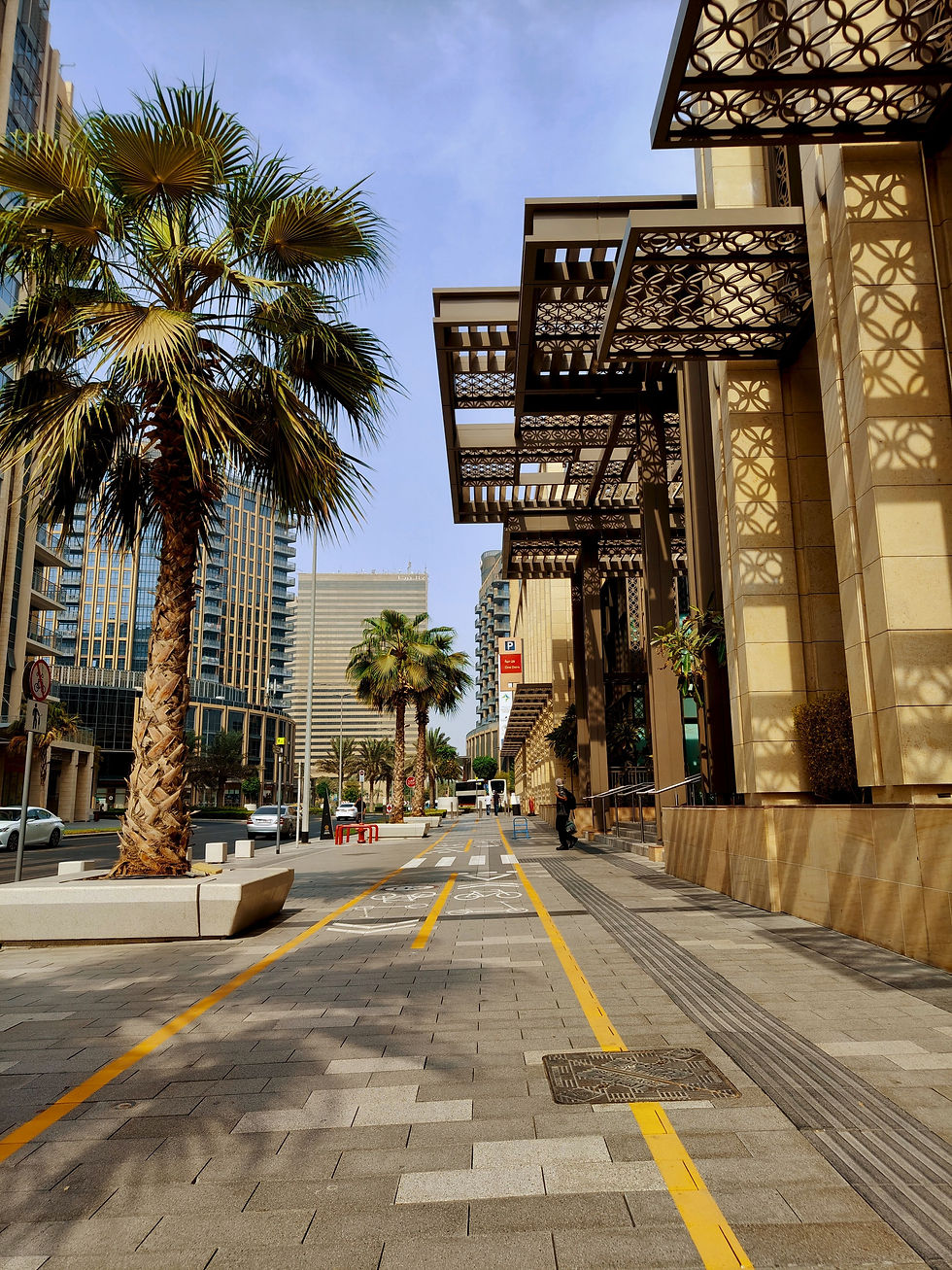
Many people explain this by pointing out that Dubai is a relatively new city. That observation is certainly true, and modern infrastructure undoubtedly makes maintenance easier than it would be in cities that have evolved over centuries. Yet infrastructure alone cannot keep a city clean. Roads do not clean themselves, nor do public spaces remain orderly by accident. Behind every clean street lies a culture of expectations, consistent regulations, and continuous maintenance.
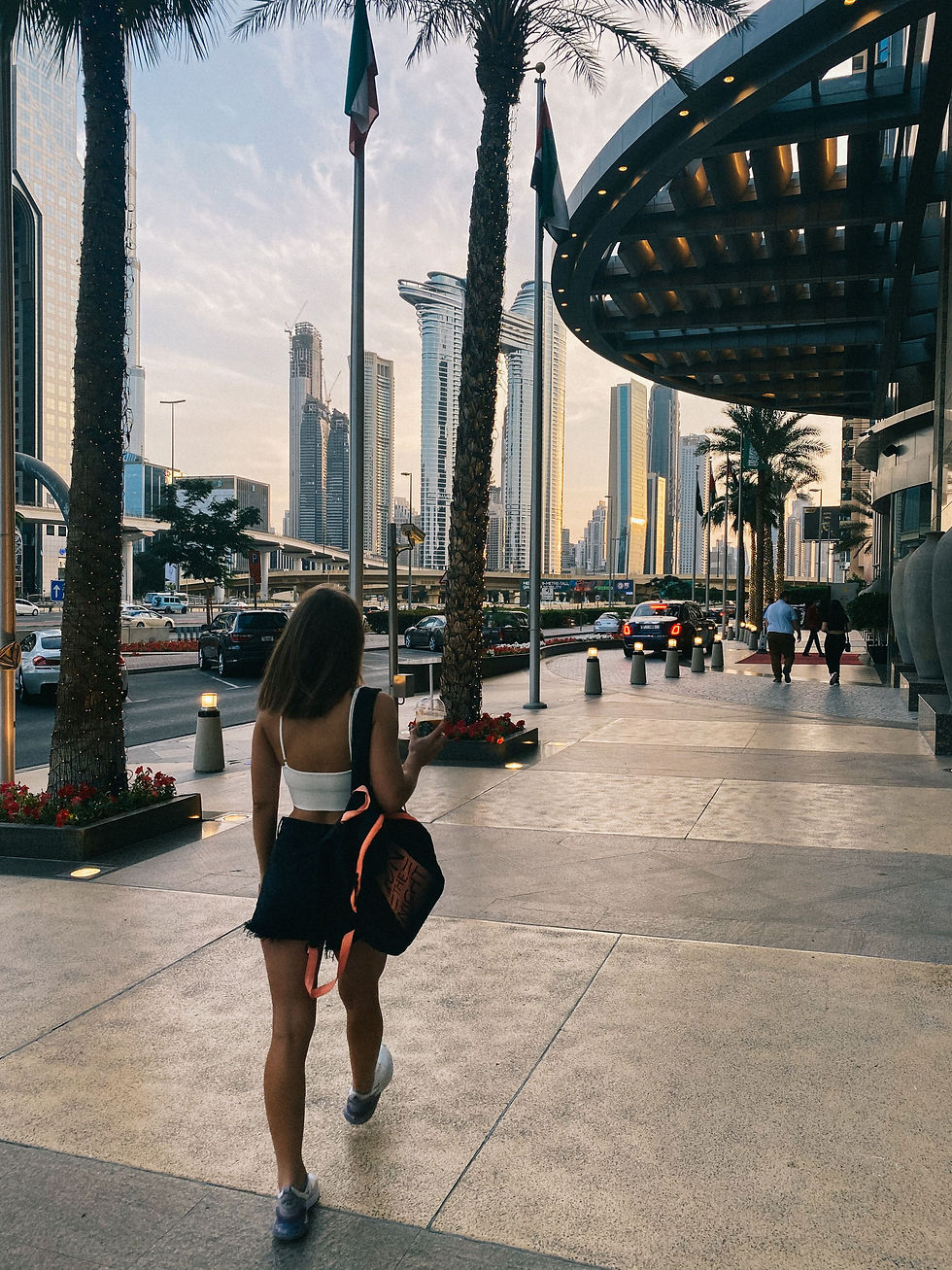
One of the reasons I have become convinced of this is that I have spent a considerable amount of time in some of Dubai's oldest neighborhoods, including Deira, Naif, and the Old Souq. These districts bear little resemblance to the polished image that most visitors associate with Dubai. They are vibrant commercial centers where wholesale shops line the streets, delivery vehicles constantly load and unload goods, workers move heavy packages throughout the day, and thousands of pedestrians create an atmosphere that is energetic, crowded, and sometimes chaotic.

Having visited similar commercial districts in many other countries, I naturally expected these neighborhoods to display the same familiar signs of urban neglect. Instead, I found something quite different. Despite the enormous amount of daily activity, rubbish rarely accumulates, unpleasant smells are uncommon, and the streets remain remarkably clean considering the pressure they endure. It becomes obvious that cleanliness here is not an occasional effort but a permanent system.
What I appreciate even more is that the city does not appear to fight against the identity of these neighborhoods. Deira and Naif have retained their character as busy trading districts rather than being transformed into polished tourist attractions. Instead of forcing every part of the city to look identical, Dubai seems to recognize that different districts serve different purposes and then maintains each one according to its own needs. To me, that reflects thoughtful urban management rather than cosmetic beautification.

The greatest effect of this cleanliness, however, is not aesthetic. It is psychological. We rarely notice how much energy our minds spend processing unpleasant surroundings. Every neglected corner, every persistent bad smell, every overflowing rubbish bin, and every piece of visual disorder quietly competes for our attention. The opposite is equally true. Environments that are orderly, maintained, and visually pleasant have a calming influence that often operates beneath our conscious awareness. As someone who naturally pays attention to small details, I experience this almost every day. Sometimes I find myself sitting in heavy traffic with hardly any movement at all. Under different circumstances, that situation could easily become frustrating. Yet I often catch myself simply looking around. The roads are maintained, the landscaping is cared for, the public spaces are orderly, and even ordinary streets possess a quiet sense of visual harmony. Without realizing it, my attention shifts from irritation to appreciation.

I have gradually come to believe that beauty does not only exist in the moments we consciously stop to admire it. It also works quietly in the background, shaping our mood, influencing our stress levels, and affecting the quality of our daily lives in ways we rarely acknowledge.
Perhaps that is one of Dubai's greatest luxuries. It is not found in the skyscrapers, the supercars, or the shopping malls. It lies in something much quieter: the simple fact that, every single day, the city quietly respects your subconscious.
Comments